This is the English edition of our Japanese series 「お部屋探し今むかし」 (Room Hunting, Then and Now). 日本語版はこちら / All English articles
Last time I wrote that to rent a home in Edo (today’s Tokyo) you needed a guarantor called a tanaukenin, and that it was often a relative or someone from your hometown.
So what did people do when they had no one to ask?
Less a guarantor than a personal sponsor
The tanaukenin took on more than the rent. According to an encyclopedia, they vouched for things like these.
- Where the tenant came from (their identity)
- That the tenant was not carrying debts
- Payment of the rent
- Taking the tenant back if they caused trouble
Not only covering unpaid rent, but taking the person off the landlord’s hands if anything went wrong. In today’s terms, it is like being a joint guarantor and a personal sponsor at the same time. Not a favor anyone would be eager to accept.
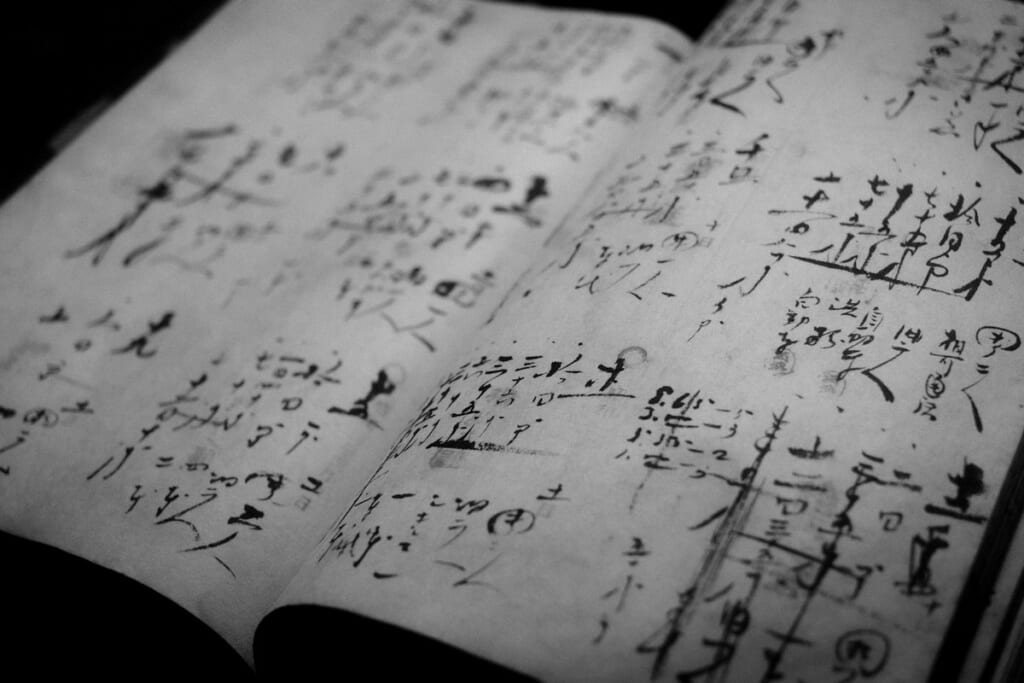
Documents survive too. A rental guarantee deed (shakuya ukejō) written in 1717 in Onomichi, in today’s Hiroshima Prefecture, sets out the rent and how it is to be paid, and states that the guarantor will guarantee payment without fail.
No one to ask. So a business was born
In a city, some people have no relatives nearby to rely on. Something had to fill that gap.
From around the middle of the Edo period, people appeared who would act as a guarantor for a fee, even for someone they had no ties with. Little by little, this became normal.
A guarantee went from something you ask for to something you buy. The idea behind today’s guarantee company sprouted here.
In Osaka, it got the magistrate’s seal of approval
The place where this business took clear shape was Osaka.
In Osaka, the number of ieukenin, people who guaranteed tenants as a business, kept growing. At the same time, lawsuits over the eviction of tenants were increasing at the town magistrate’s office. So the ieukenin asked the magistrate’s office to officially recognize their group. In 1732, 53 of them were designated as the ieukenin nakama, an association of house guarantors.
Vouching for a tenant’s identity was not their only job. They collected overdue rent. They made tenants move out promptly when the landlord needed the house. They are also thought to have introduced people to houses for rent.
A guarantee company plus a brokerage, with rent collection on top. Today those jobs are split among separate companies. For someone like me who works in real estate, they are my seniors by about 300 years. I can only bow.
“No guarantor required” was not a new invention
In Japanese property ads you see phrases like “no guarantor required” or “guarantee company accepted.” They look like recent services, but the idea itself has been around for about 300 years.
Some people feel the guarantee fee is money wasted. But think of it as the price of not having to bow to your relatives, and it looks a little different. People in Edo may have been doing the same math.
By the way, I have not yet found out how much a guarantee cost back then. More homework.

Next time: tenant screening in Edo. How do you think they checked that someone had no debts?
Looking for a home in Sapporo?
Message us on LINE: https://line.me/ti/p/u2qP4VZ5ZU
Please note: Lease contracts and the legally required explanation of important matters (jūyō jikō setsumei) are provided in Japanese.
コメントを残す